Listen
Understand your expectations and context.
Three treatment families brought together through clinical assessment, clear options and a measured approach.
Each treatment is presented to help you prepare for consultation. The final indication always depends on your clinical situation.
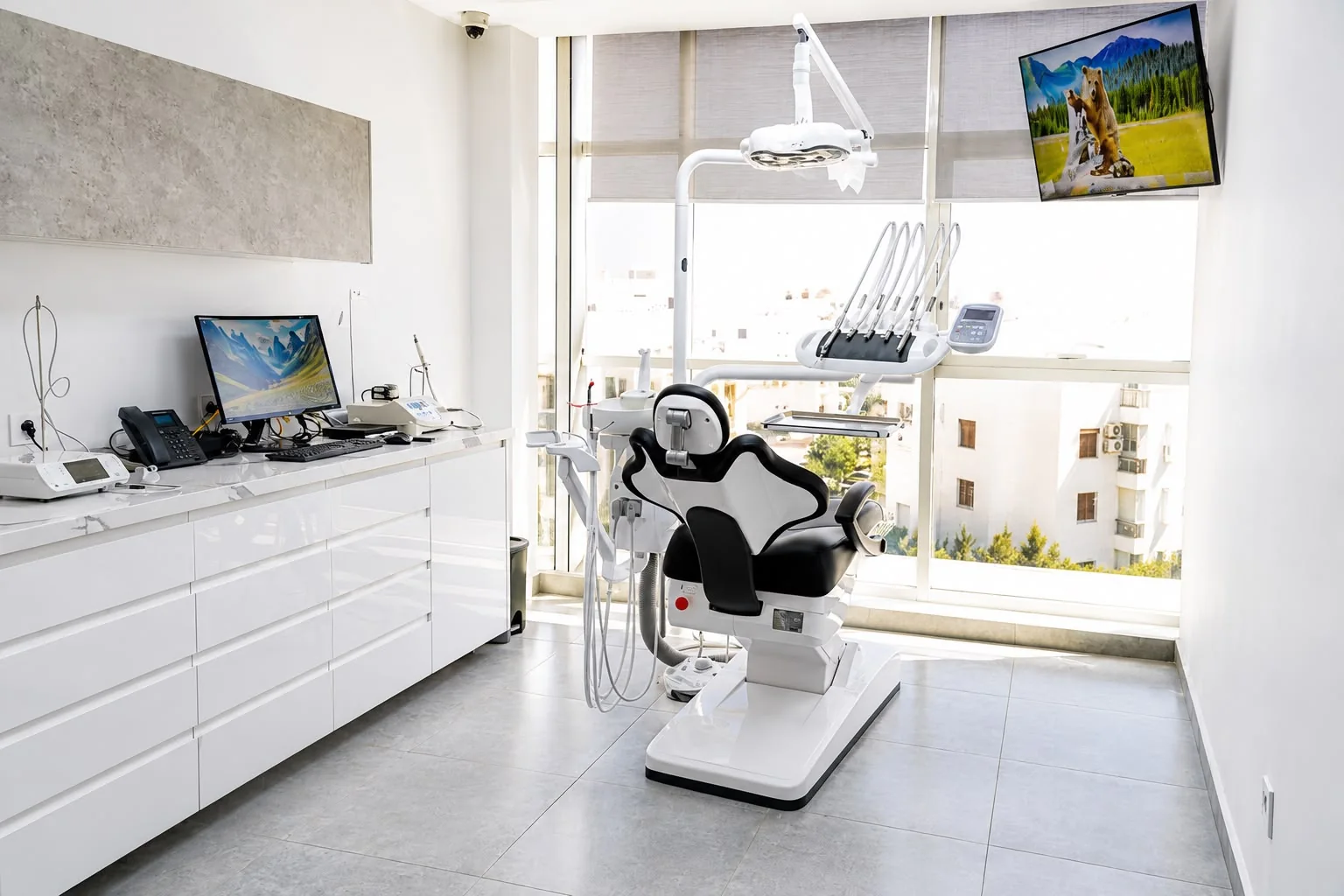
From conservative care to smile rehabilitation, every indication is assessed before a clear, progressive plan is built.
Treat affected tissue while preserving as much natural tooth as possible.
Prevent and manage inflammation to support teeth over time.
Treat the inside of the tooth when inflammation or infection is diagnosed.
Plan an oral procedure following an appropriate clinical and radiographic assessment.
Seek prompt assessment of dental pain, trauma or a complication, subject to clinic availability.
Assess replacement of one or more missing teeth through a planned implant solution.
Rebuild form, function and smile coherence according to the clinical situation.
Assess tooth alignment and bite to create an individual orthodontic plan.
Assess clear-aligner orthodontic treatment when the required movements are suitable.
Support children’s oral health through a gradual, preventive and age-appropriate approach.
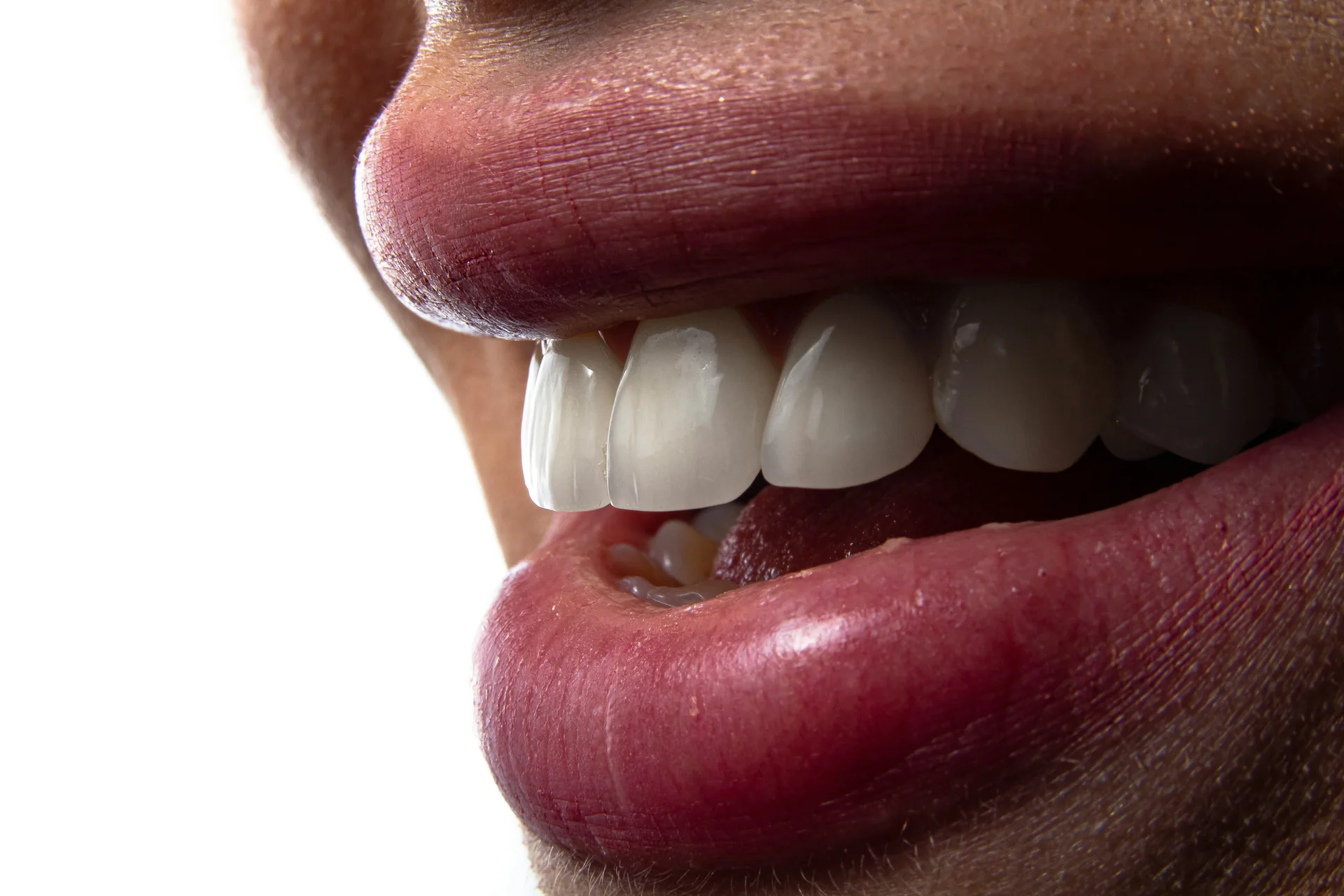
Colour, shape, visual alignment and the relationship with the lips are studied together. Possible outcomes vary with each clinical situation.
Lighten tooth shade under clinical supervision and according to the starting condition.
Precisely adjust selected visible aspects of the smile when appropriate.
Study the smile before beginning aesthetic treatment or rehabilitation.
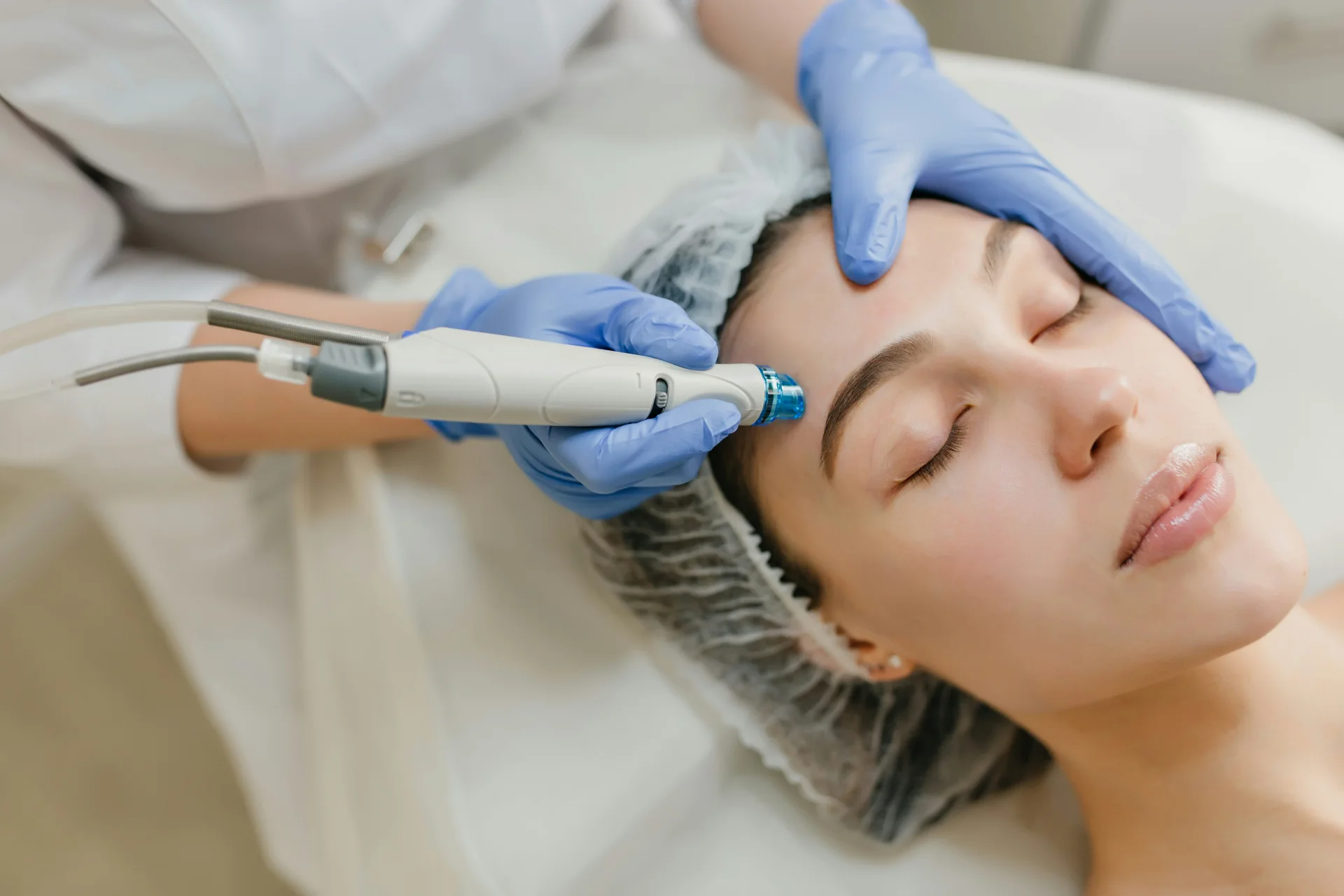
Consultation allows proportions and expectations to be assessed and whether treatment is indicated to be determined. Results may vary.
Temporarily modulate selected muscle activity after medical assessment.
Support facial volume and contours through personalised medical indication.
Connect teeth, lips and facial proportions through a complete assessment.
Understand your expectations and context.
Carry out the clinical examination needed for a decision.
Present possible options, limits and stages.
Organise the agreed treatment and follow-up.
A conversation and clinical assessment make it possible to build a suitable plan, explained clearly.