Listen
Understand your expectations and context.
Diagnose and treat tooth decay while preserving as much of the natural tooth as possible.
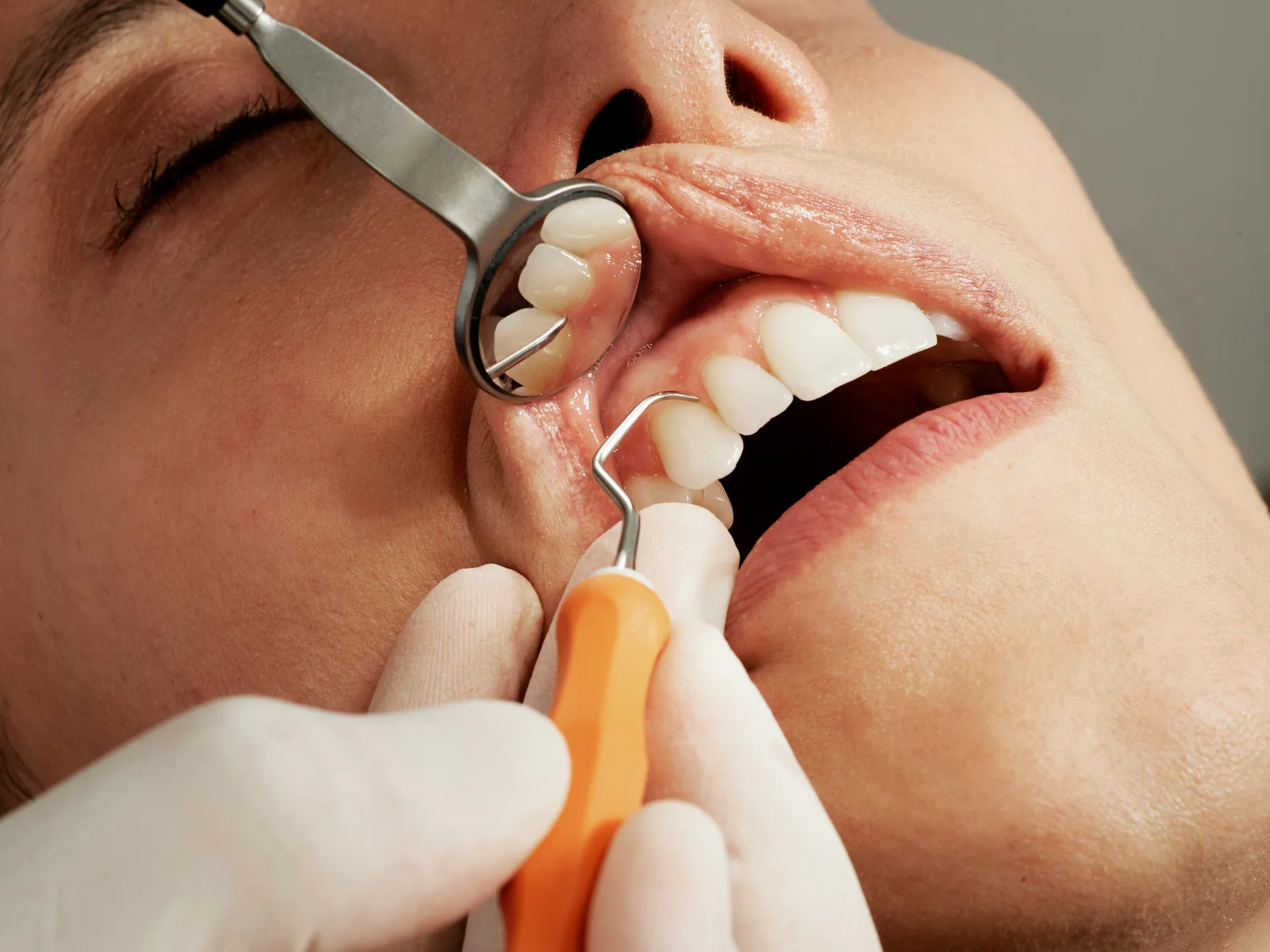
Tooth decay can develop gradually, sometimes without pain at first. A clinical examination identifies how far the decay extends and which tissues are affected, so that the most conservative suitable treatment can be proposed — from prevention for early lesions to fillings, onlays or crowns for more damaged teeth.
A consultation is required. Indication, treatment pathway and outcomes may vary with each clinical situation.
A consultation is required. Indication, treatment pathway and outcomes may vary with each clinical situation.
Understand your expectations and context.
Carry out the clinical examination needed for a decision.
Present possible options, limits and stages.
Organise the agreed treatment and follow-up.
An early enamel lesion without a cavity can sometimes be stabilised with suitable measures. Once a cavity has formed, it does not usually repair itself and needs a dental assessment.
A conversation and clinical assessment make it possible to build a suitable plan, explained clearly.